
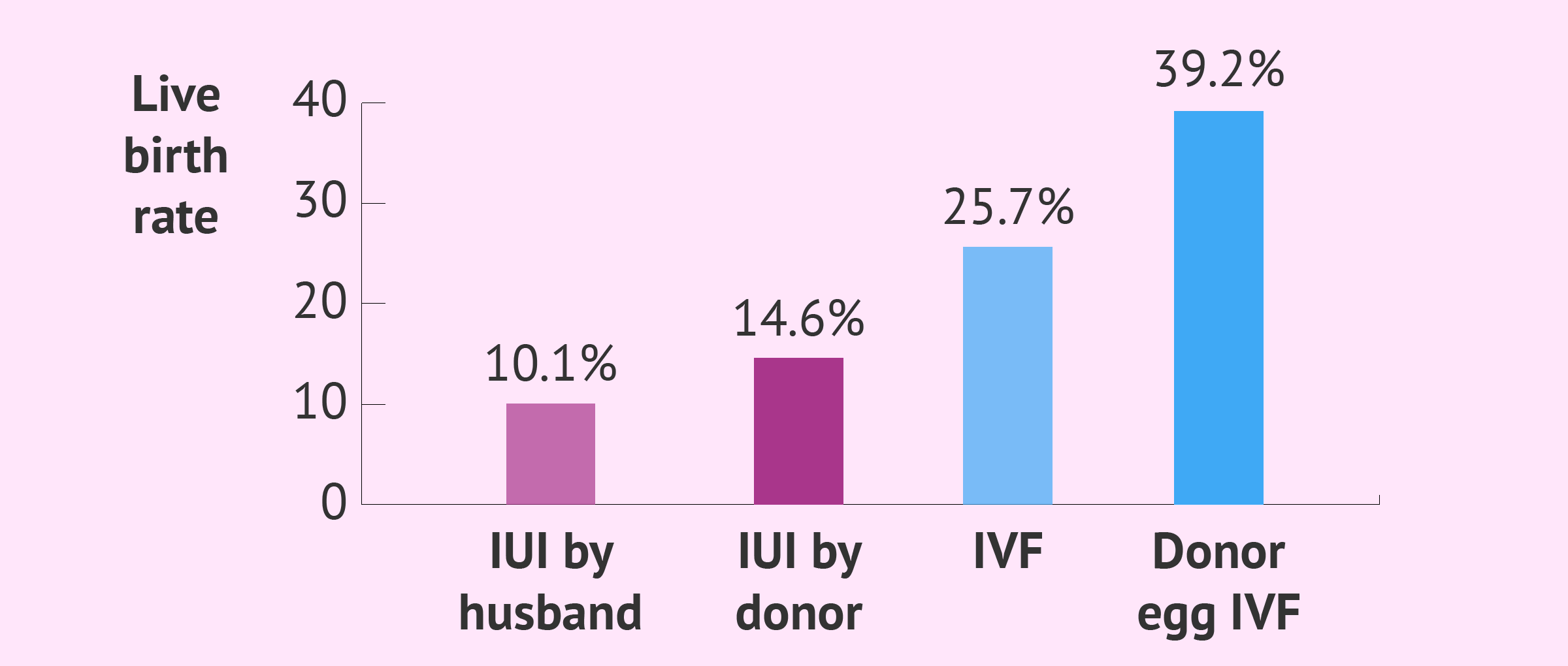
Deciding to seek help with fertility can feel like stepping into a maze. You’re hopeful, yes, but also probably overwhelmed by information, costs, and the sheer emotional weight of it all. Understanding fertility clinic success rates and the financial implications is crucial for making informed decisions and protecting yourself along the way. It's a big step, and it's okay to feel a little lost.
This guide is designed to help you navigate those complexities. We'll break down how to interpret success rates, understand the real costs involved (beyond just the advertised price tags), and assess the financial risks so you can approach this journey with confidence and clarity. Knowledge is power, especially when it comes to something as personal and significant as building your family.
Before you dive in, take a moment for yourself. Close your eyes, take a deep breath, and remind yourself that you're strong and capable. Tonight, try a relaxing bath with Epsom salts to ease any tension. Light some candles, put on some calming music, and allow yourself to just be. You deserve it.
Understanding Fertility Clinic Success Rates
Fertility clinic success rates can feel like a confusing jumble of numbers. It's easy to get caught up in the highest percentages without fully understanding what they mean. Let's demystify the data and learn how to interpret it in a way that's relevant to your individual circumstances. Success rates are reported to organizations like the Society for Assisted Reproductive Technology (SART) and the Centers for Disease Control and Prevention (CDC). These organizations collect and publish data from fertility clinics across the country, offering a valuable resource for prospective patients.
However, it's essential to remember that success rates are not a guarantee. They represent averages based on previous cycles and may not accurately predict your personal outcome. Several factors can influence success, including your age, the cause of your infertility, the clinic's experience with your specific situation, and the treatment methods used.
When reviewing success rates, look beyond the headline numbers. Pay attention to the following: Live Birth Rate:This is the most meaningful statistic, as it reflects the percentage of cycles that result in a live birth, not just a pregnancy.
Age Groups: Success rates vary significantly by age. Be sure to compare rates for your specific age group. Clinics will often break down their data into categories like under 35, 35-37, 38-40, 41-42, and over 42. Type of Cycle: Different types of fertility treatments (e.g., IVF with fresh embryos, IVF with frozen embryos, IUI) have different success rates. Make sure you're comparing apples to apples.
First Cycle vs. Subsequent Cycles: Success rates often decline with each subsequent cycle.
Singleton vs. Multiple Births: While a multiple pregnancy might seem like a "bonus," it carries higher risks for both the mother and babies. Ideally, you want to find a clinic that prioritizes single embryo transfer to minimize these risks.
It’s a good idea to discuss these success rates in detail with your doctor. They can explain how your individual factors might impact your chances of success at a particular clinic. Don't be afraid to ask questions! A good clinic will be transparent about its data and happy to answer your queries.
People Also Ask
What questions should I ask a fertility clinic about their success rates?
Don't be shy! Ask about their live birth rate per embryo transfer, broken down by age group and embryo stage (e.g., day 3 vs. day 5 blastocyst). Inquire about their multiple pregnancy rate and their policies on single embryo transfer. Also, ask about their experience with patients who have similar diagnoses to yours.
Are higher success rates always better?
Not necessarily. A clinic with exceptionally high success rates might be selecting patients very carefully, excluding those with more complex cases. A clinic with slightly lower rates but a willingness to work with a wider range of patients might be a better fit for you. It's about finding a clinic that's a good match for your individual needs.
How can I find reliable data on fertility clinic success rates?
Start with the SART (Society for Assisted Reproductive Technology) and CDC (Centers for Disease Control and Prevention) websites. These organizations provide comprehensive data on fertility clinic success rates across the country. You can search for clinics in your area and compare their data. Also, consider reading patient reviews and testimonials to get a sense of other people's experiences with the clinic.
Financial Considerations and Risks
The financial aspects of fertility treatment can be a major source of stress. It's crucial to go into this process with a clear understanding of the costs involved and the potential financial risks. The sticker price you see advertised is often just the tip of the iceberg.
Here's a breakdown of the key financial considerations: Base Cost of Treatment:This includes the core procedures like IVF, IUI, or egg freezing. However, it typically doesn't include medications, monitoring, or additional procedures.
Medications: Fertility medications can be very expensive, often costing thousands of dollars per cycle. The specific medications you need and the dosage will depend on your individual protocol.
Monitoring: Regular blood tests and ultrasounds are essential for monitoring your response to treatment. These appointments can add up quickly.
Additional Procedures: You may need additional procedures like genetic testing of embryos (PGT), assisted hatching, or ICSI (intracytoplasmic sperm injection), which all come with additional costs.
Storage Fees: If you freeze eggs or embryos, you'll need to pay annual storage fees.
Multiple Cycles: It's important to be prepared for the possibility of needing multiple cycles of treatment. The cost can quickly escalate if you don't achieve success on the first attempt.
Insurance Coverage: Insurance coverage for fertility treatment varies widely. Some policies cover a significant portion of the costs, while others offer no coverage at all. Understand your insurance policy and explore any potential benefits. Many employers are starting to offer fertility benefits, so it's worth checking with your HR department.
Financing Options: If you don't have insurance coverage or can't afford to pay out of pocket, you may need to explore financing options like loans or grants. Be cautious about taking on debt and make sure you understand the terms and conditions of any loan agreement.
Before starting treatment, ask the clinic for a detailed breakdown of all the costs involved. Don't be afraid to ask questions and clarify any uncertainties. It's also a good idea to get a second opinion from another clinic to compare prices and treatment plans.
People Also Ask
Are there any grants or financial assistance programs for fertility treatment?
Yes, there are several organizations that offer grants and financial assistance for fertility treatment. Some examples include the Baby Quest Foundation, the Cade Foundation, and Fertility Within Reach. Eligibility requirements vary, so be sure to research each program carefully.
What are the pros and cons of taking out a loan for fertility treatment?
The pros of taking out a loan include the ability to access treatment that you might not otherwise be able to afford and the flexibility to spread out the payments over time. The cons include the burden of debt, the interest charges, and the potential impact on your credit score.
How can I reduce the cost of fertility treatment?
There are several ways to potentially reduce the cost of fertility treatment. You can explore different clinics and compare prices, ask about discounts or package deals, consider using donor eggs or sperm, and participate in clinical trials. Lifestyle changes, such as quitting smoking and maintaining a healthy weight, can also improve your chances of success and potentially reduce the need for multiple cycles.
Assessing the Emotional and Psychological Impact
Navigating fertility challenges can take a significant toll on your emotional and psychological well-being. It's essential to acknowledge and address these challenges throughout your journey. The constant hope and disappointment, the invasive procedures, and the financial stress can lead to feelings of anxiety, depression, and isolation.
Here are some strategies for coping with the emotional impact: Seek Support:Talk to your partner, family, friends, or a therapist about your feelings. Don't be afraid to ask for help.
Join a Support Group: Connecting with others who are going through similar experiences can be incredibly helpful. You can share your stories, offer support, and learn from each other.
Practice Self-Care: Make time for activities that you enjoy and that help you relax. This could include exercise, meditation, reading, spending time in nature, or pursuing a hobby.
Set Realistic Expectations: Fertility treatment is not a guaranteed path to pregnancy. Be prepared for the possibility of setbacks and celebrate small victories along the way.
Limit Social Media: Social media can be a trigger for those struggling with infertility. Limit your exposure to pregnancy announcements and baby photos if they make you feel down.
Focus on What You Can Control: While you can't control the outcome of your treatment, you can control your lifestyle choices. Focus on eating healthy, exercising, and getting enough sleep.
Consider Therapy: A therapist specializing in fertility issues can provide guidance and support throughout your journey. They can help you develop coping mechanisms and manage your emotions.
Remember, it's okay to not be okay. Allow yourself to feel your emotions and seek help when you need it. Your mental and emotional health is just as important as your physical health.
You've got this. This path might be challenging, but you are strong, resilient, and capable. Remember to be kind to yourself, celebrate every small victory, and lean on your support network. Take things one step at a time, and trust that you're doing everything you can to build your family. And if you need a little extra TLC, don't hesitate to reach out for help. You are not alone.